
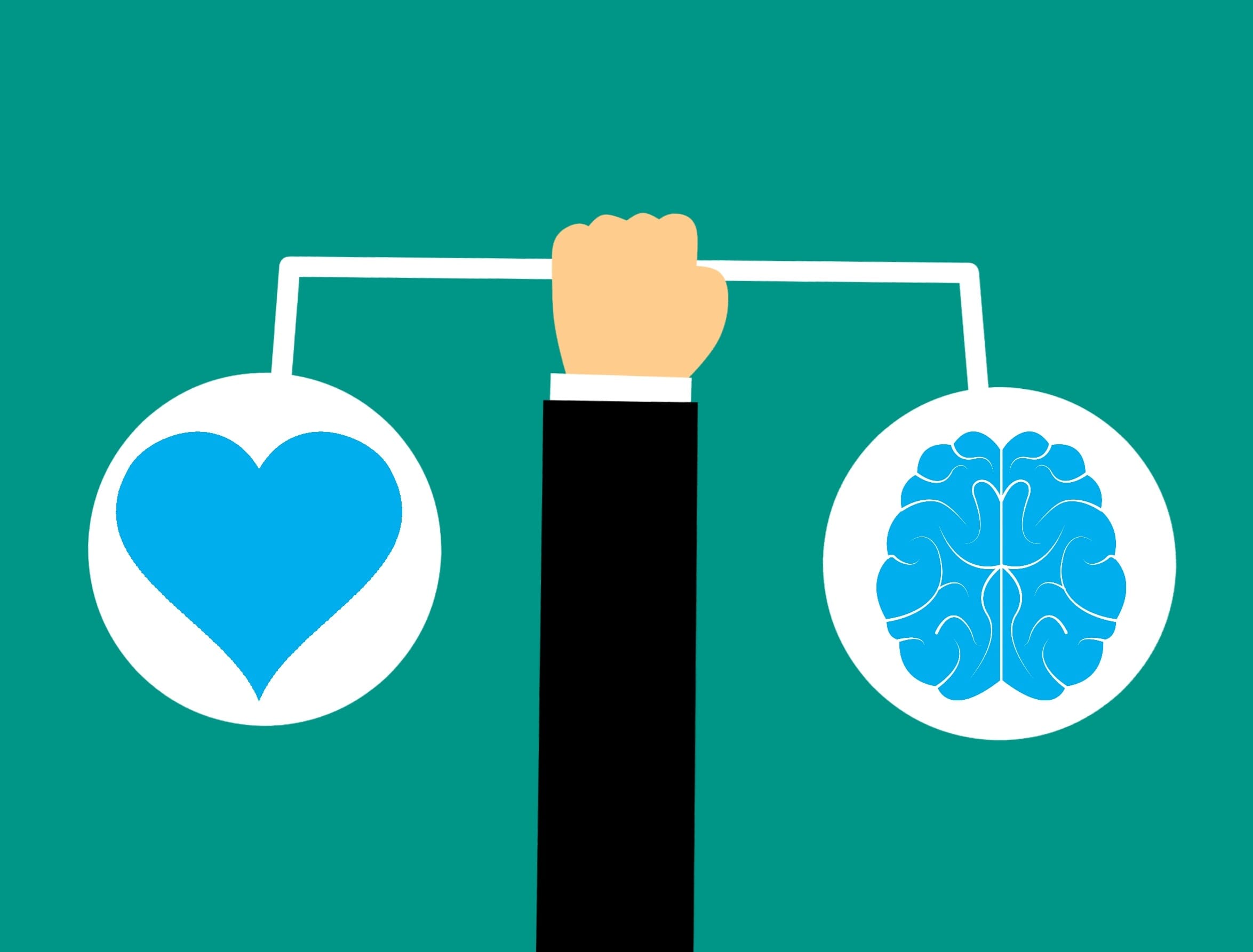
Ever walked into a room and felt the unspoken tension, like a pressure you couldn’t see but definitely felt? Maybe someone said, ‘I’m fine,’ while their clenched jaw and crossed arms told a different story. We all experience these moments—but do we know what to do with them? the answer often lies in emotional intelligence (EQ).
Think of emotional intelligence as having a well-organized filing system for your feelings—rather than letting them pile up like an inbox with 5,000 unread emails. The good news? Unlike your IQ, which is mostly fixed, EQ is a skill you can build and refine. And in today’s world, where miscommunication runs rampant and emotions can feel like a chaotic group chat, EQ is more important than ever.
What Is Emotional Intelligence? (And Why Should You Care?)
Coined by psychologists Peter Salovey and John Mayer (1990) and later popularized by Daniel Goleman (1995), emotional intelligence is the ability to recognize, understand, and manage your own emotions while also navigating the emotions of others.
📌 Research Insight: In their seminal paper Emotional Intelligence (1990), Salovey & Mayer described EQ as the skill that allows individuals to reason with emotions and enhance thought processes. Their research laid the groundwork for how EQ is applied in psychology, business, and relationships.
In simple terms: EQ is what keeps you from sending that angry text, helps you handle criticism without spiraling, and makes you the kind of person people actually want to be around.
Goleman’s research breaks EQ down into five key components:
✔️ Self-Awareness – Knowing what you’re feeling and why.
✔️ Self-Regulation – Managing emotions instead of letting them control you.
✔️ Motivation – Using emotions to drive goals instead of derailing them.
✔️ Empathy – Understanding what others feel beyond just their words.
✔️ Social Skills – Navigating relationships with ease and authenticity.
💡 Fun Fact: A 2019 study in The Journal of Organizational Behavior found that people with higher EQ earn an average of $29,000 more per year than those with lower EQ—so if nothing else, emotional intelligence might just give your paycheck a little boost! (O’Boyle et al., 2011)
Signs You Might Need an EQ Upgrade
Not sure if your emotional intelligence needs a little tuning? Here are some common indicators:
🔹 You struggle to name your emotions. Ever felt “off” but couldn’t quite explain why? Emotional intelligence starts with labeling what you feel.
🔹 You take things too personally. If criticism feels like a personal attack, it might mean your self-awareness and regulation need work.
🔹 You avoid conflict like it’s an ex you’d rather not run into. Healthy EQ means knowing how to navigate difficult conversations instead of ghosting them.
🔹 You have trouble reading social cues. If sarcasm, passive-aggressive comments, or subtle body language often leave you confused, your empathy radar might need an update.
🔹 Your emotions dictate your reactions. If your mood swings control your day instead of the other way around, self-regulation is key.
📌 Research Insight: A meta-analysis by Joseph & Newman (2010) in The Journal of Applied Psychology found that individuals with high EQ were significantly better at handling workplace stress, conflict resolution, and career advancement.
“Be honest—which of these hit home for you? Drop a comment—self-awareness starts with sharing.”
How Emotional Intelligence Impacts Your Life
💼 At Work: EQ can make or break your career. A 2020 study in Harvard Business Review found that 90% of top performers have high emotional intelligence, proving that technical skills alone aren’t enough. Whether it’s handling workplace stress, collaborating with a difficult teammate, or navigating office politics, EQ is your secret weapon.
❤️ In Relationships: Ever been in a conversation where someone truly got you? That’s emotional intelligence at play. EQ strengthens connections, helps resolve conflicts, and makes relationships more fulfilling.
📌 Research Insight: A study published in The Journal of Social Psychology (Schutte et al., 2001) found that individuals with higher emotional intelligence had more satisfying and stable personal relationships.
🧠 For Mental Health: Unchecked emotions can lead to anxiety, stress, and even burnout. But when you know how to process emotions effectively, you reduce emotional overwhelm and increase resilience.
📌 Research Insight: A study in Social and Personality Psychology Compass (Brackett et al., 2011) found that people with high EQ experience less emotional distress and are better at coping with daily challenges.
Real Moments, Real Growth: Stories of Emotional Intelligence in Action
Emotional intelligence isn’t just a concept—it’s lived, often in messy, awkward, everyday moments. Here are a few real-life stories (some my own, some inspired by others) that show how EQ can shift not just our responses, but our relationships, mental health, and self-awareness.
🔹 1. The Silent Breakdown – Naming the Real Emotion
During a team meeting, someone made a sarcastic comment about my missed deadline. I smiled, but inside I felt overwhelmed and humiliated. Back then, I couldn’t name what I was feeling, but now I know it was burnout masked as anger.
💡 Lesson: Self-awareness starts when we stop labeling everything as just “anger” or “stress” and dig deeper.
🔹 2. Feedback = Attack?
When my manager gave me feedback, I nodded politely but later spiraled into self-doubt and anxiety. I used to take every critique as a personal failure. Now, I pause, reflect, and remind myself that feedback is a tool—not a threat.
💡 Lesson: Self-regulation lets you hear what’s being said instead of what your inner critic interprets.
🔹 3. When Listening Beats Fixing (Friendship Shift)
A close friend once said I made her feel unheard—I always tried to fix things instead of listening. I felt confused and defensive at first. But when I started listening without interrupting, our conversations became deeper and more honest.
💡 Lesson: Empathy is less about advice, and more about presence.
🔹 4. Silent Treatment Isn’t Strength (Relationships)
In arguments, I used to shut down completely—I mistook silence for maturity. But I was really avoiding discomfort and feeling emotionally unsafe. Learning to say “I’m hurt” instead of going quiet has made my relationships stronger and more secure.
💡 Lesson: Vulnerability strengthens connection more than stoic silence.
🔹 5. Reading the Room as a Leader
During my first team meeting, I focused so much on the agenda that I missed the tension in the room. I later found out someone was grieving a loss. That moment taught me that leadership means being emotionally present—not just organized.
💡 Lesson: Emotional intelligence is just as important as strategic planning in leadership.
🔹 6. The Day I Finally Said “No”
I used to say “yes” to every ask at work, even when I was drowning. The first time I said, “I’m at capacity right now,” I was scared—but also deeply relieved. My productivity didn’t suffer, but my peace of mind soared.
💡 Lesson: Setting boundaries is an EQ superpower, not selfishness.
🔹 7. Comparing Myself on Social Media
I used to scroll through LinkedIn and feel behind in life. Everyone seemed to be achieving more, faster. Eventually, I realized those feelings of inadequacy weren’t facts—they were signals that I needed to realign with my own goals and values.
💡 Lesson: Emotional intelligence helps us decode envy as unmet need—not failure.
💭 What’s Your EQ Story?
We all have moments we wish we could handle differently. The beauty of emotional intelligence is that it grows with self-awareness and reflection. If any of these stories resonated—or sparked a memory—share your own in the comments below. Your experience might help someone else see themselves more clearly.
How to Build Emotional Intelligence (Without Turning into a Self-Help Junkie)
🧠 Name It to Tame It: The First Step to Emotional Mastery
Start by naming your feelings instead of just labelling them as “good” or “bad.” Try journaling for five minutes a day or using an emotions wheel to pinpoint what’s really going on. The more specific you get, the better.
📌 Personal Insight:
I used to get defensive whenever someone gave me feedback—until I realized it wasn’t a personal attack but an opportunity to grow. Now, I pause before responding, and surprisingly, my relationships (and sanity) have improved.
⏸️ Master the Art of the Pause—Before You Say Something You’ll Regret
Ever said something in the heat of the moment and immediately regretted it?
👉 Before reacting emotionally, pause for 10 seconds and take a deep breath.
This tiny habit can save you from unnecessary drama.
🔹 Example: Your co-worker makes a sarcastic remark about your project being late. Instead of snapping back, pause, breathe, and respond with, “Sounds like you’re frustrated. Want to talk about what’s holding up the process?”
🎭 Strengthen Your Empathy Muscle
Instead of jumping to conclusions, try seeing things from another person’s perspective.
Ask yourself, “What might they be feeling right now?” and listen without planning your response.
🔹 Example: A friend cancels plans last minute. Instead of assuming they don’t care, consider what’s going on in their life—maybe they’re overwhelmed and need support.
🗣️ Expand Your Social Intelligence
Not everyone is born with effortless charisma, but you can improve your social skills by:
✔️ Reading body language cues – Pay attention to facial expressions, tone of voice, and gestures.
✔️ Handling passive-aggressive behavior – Instead of reacting, respond with clarifying questions like “Could you help me understand what you mean by that?”
✔️ Practicing small talk – It might feel awkward at first, but simple questions like “How’s your week going?” can build deeper connections.
🚧 Set Emotional Boundaries
Being emotionally intelligent doesn’t mean absorbing everyone else’s problems.
Practice:
✅ Saying no without guilt
✅ Limiting toxic interactions
✅ Prioritizing your emotional well-being
EQ in Action: High vs. Low EQ Responses
| Situation | High EQ Response | Low EQ Response |
| Receiving Criticism | “Thanks for the feedback! I’ll work on that.” | “You always find something to complain about!” |
| Facing Conflict | “Let’s talk about this calmly and find a solution.” | Yelling, blaming, or shutting down. |
| Handling Stress | “I need to take a break and clear my mind.” | “This is too much—I quit!” |
Self-Assessment: How Emotionally Intelligent Are You?
Answer these quick questions honestly:
1️⃣ Do you reflect on your emotions before reacting?
(A) Always (B) Sometimes (C) Rarely
2️⃣ Can you recognize when someone else is upset without them saying it?
(A) Easily (B) Sometimes (C) Not really
3️⃣ How do you handle criticism?
(A) I take it as constructive feedback
(B) It stings, but I try to learn from it
(C) I get defensive or shut down
4️⃣ When faced with conflict, you:
(A) Address it calmly
(B) Avoid it
(C) Blow up or withdraw
5️⃣ Do you practice self-care to regulate emotions?
(A) Yes, regularly
(B) Sometimes
(C) Not at all
🔹 Mostly A’s – You’ve got strong EQ skills! Keep refining them.
🔹 Mostly B’s – You’re on the right track, but there’s room for growth.
🔹 Mostly C’s – Time to focus on building self-awareness and regulation. Start small!
Final Thoughts: Emotional Intelligence Is Your Superpower
If you’ve ever admired those people who remain calm during chaos, navigate difficult conversations with grace, or seem to radiate an effortless magnetism—here’s the truth: it’s not luck or genetics.
✨It’s emotional intelligence.
And here’s the best part—it’s learnable.
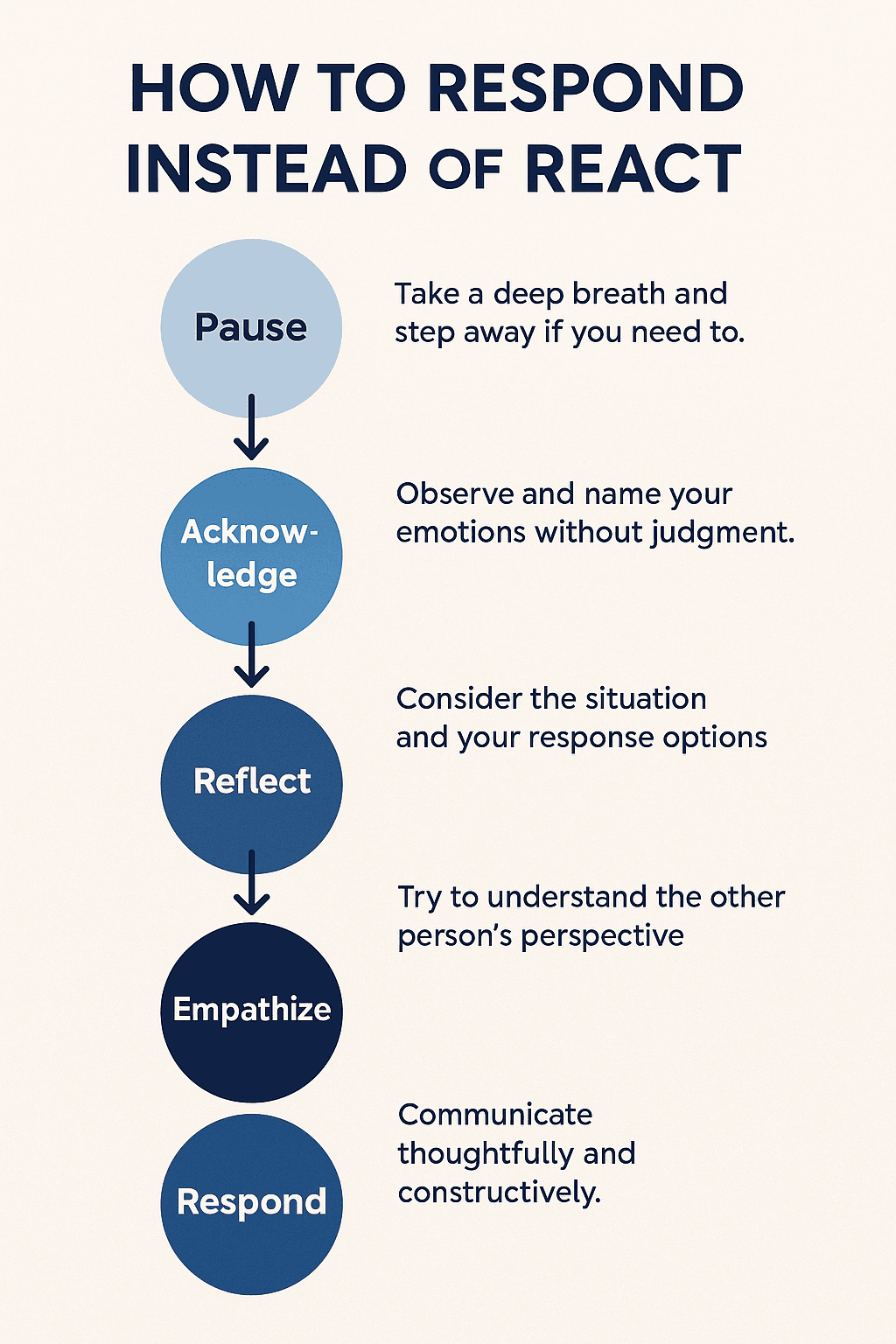
Emotional intelligence isn’t a trait you’re either born with or without. It’s a muscle. One that can be trained, strengthened, and fine-tuned like a well-developed RPG character—level by level, choice by choice. It’s built through awareness, practiced with intention, and sharpened with every interaction.
So, the next time life throws a curveball—when emotions rise, tensions build, or triggers hit—pause for a moment. Breathe. Center yourself. And ask:
👉 What would the emotionally intelligent version of me do right now?
Would they react—or respond?
Would they shut down—or lean in?
Would they defend—or seek to understand?
Because here’s the truth: your emotions aren’t the enemy. They’re messages. They’re not roadblocks—they’re roadmaps. Once you learn how to read them, they stop controlling you and start guiding you.
🚀 So go ahead—build your EQ like a superpower. Use it to forge deeper relationships, lead with empathy, and show up for yourself in powerful ways.
💬 Let’s Talk:
Think back to a moment when emotions got the better of you—maybe during a conversation, a decision, or a setback. What do you wish you had done differently? How would the wiser, emotionally intelligent you handle it now?
Drop your story in the comments below. Let’s reflect, learn, and grow—together.
Because self-awareness starts with one honest moment. And from there, transformation begins. 🌱
Sources
📚 Academic & Research Sources
Salovey & Mayer (1990) – Defining Emotional Intelligence
This foundational paper introduced the concept of emotional intelligence as the ability to monitor one’s own and others’ feelings and emotions, to discriminate among them, and to use this information to guide one’s thinking and actions.
🔗 Read the paperO’Boyle et al. (2011) – Emotional Intelligence and Job Performance
A meta-analysis examining the relationship between emotional intelligence and job performance, indicating that higher EQ is associated with better job performance.
🔗 Read the studyJoseph & Newman (2010) – Emotional Intelligence and Workplace Stress
This integrative meta-analysis links emotional intelligence with performance, suggesting that higher EQ contributes to better handling of workplace stress and improved job performance.
🔗 Read the articleSchutte et al. (2001) – Emotional Intelligence and Interpersonal Relations
The study found that individuals with higher emotional intelligence had better social skills and more satisfying personal relationships.
🔗 Read the studyBrackett et al. (2011) – Emotional Intelligence and Mental Health
This research discusses the implications of emotional intelligence for personal, social, academic, and workplace success, highlighting its role in mental health.
🔗 Read the article
📰 Business & Leadership Insights
Harvard Business Review – Emotional Intelligence in Leadership
An article discussing how emotional intelligence is crucial for effective leadership, emphasizing the balance between analytical and emotional intelligence.
🔗 Read the articleHarvard Business Review – Emotional Intelligence Topic Page
A collection of articles and resources related to emotional intelligence, covering various aspects of its application in the workplace.
🔗 Explore the topic- Image by Mohamed Hassan from Pixabay